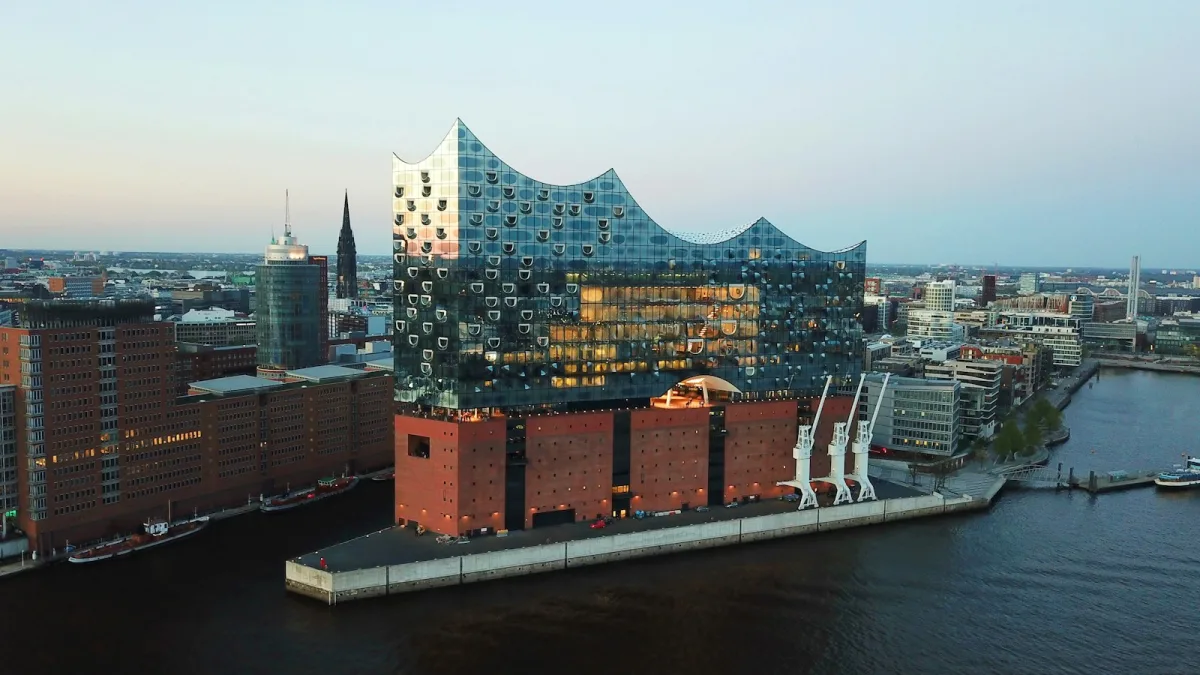
Hamburg is the German city people underrate until they visit. It's the country's second-largest city and its biggest port, a wealthy, green, water-laced place that quietly pays some of the highest salaries in Germany while costing noticeably less than Munich. If Berlin is the creative capital and Munich the corporate one, Hamburg is the trading city: international by default, understated about it, and more comfortable than flashy.
The pitch for a professional is a good one. Salaries here rival Munich's in several fields, the rents don't, and the job market leans on industries that actively recruit international talent: aviation, logistics, media and renewable energy. The catch is the one every German city shares right now, which is housing, plus a northern climate that does a lot of grey.
This guide is about Hamburg the city, its districts, the housing fight, what you'll earn and spend. For the Germany-wide machinery, the visa, the salaries by field, the tax, we've written those separately and linked them where they matter.
Key Facts at a Glance
| Detail | Info |
|---|---|
| Population | ~1.9 million, Germany's second-largest city |
| Vibe | Wealthy, maritime, international, understated, "laptop and sailing" |
| Main industries | Aviation, maritime logistics, media and digital, renewable energy |
| Main work visa | EU Blue Card, fast-track to permanent residency |
| Blue Card PR timeline | As little as 21 months with B1 German |
| Job-seeker route | Opportunity Card (Chancenkarte), needs about €1,091/month in proven funds |
| Transport pass | Deutschlandticket, €63/month, valid nationwide |
| The hard part | Housing. High demand, strict landlord paperwork |
| Best for | Professionals in aviation, logistics, tech, media and green energy |
Why Hamburg, and Why Not
Hamburg's case starts with its economy. It's one of the world's major civil-aviation centres, with Airbus, Lufthansa Technik and a deep network of suppliers, and it's Germany's largest port, so maritime logistics and international trade run through everything. Less obviously, it's a media and digital hub: Google's German headquarters are here, alongside homegrown names like XING (now New Work SE) and the fashion platform About You. The north of Germany is also the centre of the country's wind-energy industry, which makes Hamburg a real option for engineers in renewables. Salaries across these sectors run high, often close to Munich's, while the cost of living sits a clear step below it.
The quality of life backs that up. Hamburg is green and built around water, with the Alster lake in the middle of the city and the Elbe running through it, and the HVV transport network is excellent. It's also a famously tolerant, outward-looking place, a legacy of centuries as a trading port.
The downsides are honest ones. The weather is northern: a lot of grey, wind and rain, with short winter days. The housing market is tight and the landlord process is bureaucratic. And while English works fine in aviation, tech and international firms, daily life and admin still reward German, so our tips for learning German are worth starting early. For how Hamburg sits against Berlin, Munich and Frankfurt, our best German cities guide sets them side by side.
The Districts: Where to Actually Live
- Eimsbüttel: green, café-heavy and residential, a favourite with families and young professionals.
- Altona and Ottensen: creative, international and lively, the most expat-friendly corner of the city.
- HafenCity: the modern waterfront district, upscale and new-build, popular with higher earners who want to walk to the centre.
- Winterhude: elegant and calm, right by the Alster lake, good for an active outdoor lifestyle.
- Bergedorf and the outer ring: quieter and more suburban, where the rent eases in exchange for a longer commute.
As everywhere in the city, the more central and the closer to the water, the higher the rent. The trade is the usual one: minutes to work against euros per month.
The Housing Reality
This is the hardest part of a Hamburg move. Demand outstrips supply, especially for central flats, and landlords can afford to be selective, so a good listing draws a crowd and the paperwork matters.
A few things to expect:
- Cold rent versus warm rent. Advertised "cold" rent (Kaltmiete) is the base figure. The "warm" rent (Warmmiete) adds heating, water and building costs, and that total is what you actually pay.
- The kitchen surprise. Many German flats come with no fitted kitchen at all. The last tenant took theirs, and you either buy one or negotiate to take theirs over.
- The document pile. Landlords want proof of income, recent payslips, and a SCHUFA credit report you won't have on arrival. Bank statements can stand in at first.
- Register fast. You must register your address (Anmeldung) at the Bürgeramt within 14 days of moving in. That registration is the key that unlocks your bank account and tax ID, so it comes before almost everything else.
The mechanics are the same across Germany, and our guide to renting in Germany walks through contracts, deposits and the SCHUFA in detail. A furnished short-term place for the first couple of months, with viewings done in person once you're on the ground, is how most people manage it.
Getting In: Visa Routes
Hamburg uses the same national routes as the rest of Germany. Two matter most.
The EU Blue Card is the main route for qualified professionals, and given Hamburg's salary levels, clearing the threshold is rarely the obstacle here. It also comes with a fast track to permanent residency, in as little as 21 months with B1 German. Our EU Blue Card guide covers the 2026 salary thresholds, the timeline and the family rules.
If you don't yet have a job offer, the Opportunity Card (Chancenkarte) lets eligible non-EU professionals come to Germany for up to a year to job-hunt, provided you can show about €1,091 a month in funds. Our Opportunity Card guide explains the points system and who qualifies.
What You'll Earn and Spend
Hamburg pays well, with salaries in aviation, logistics, tech and finance among the highest in Germany, often close to Munich's. For what specific fields pay, our Germany salary guide breaks it down by industry rather than by city.
The win is that the cost side is lower than Munich's. Rents are high by German standards but not Munich-high, and everyday costs are broadly in line with the rest of western Germany. Our cost of living in Germany guide has the monthly breakdowns. One thing to budget for early: German health insurance is mandatory and charged as a percentage of your salary, deducted straight from payroll, rather than as a flat premium.
Getting Around
You will not need a car in Hamburg. The HVV network covers the city with U-Bahn, S-Bahn, buses and, in a nice Hamburg touch, public ferries that run across the harbour on the same ticket. The Deutschlandticket costs €63 a month and covers all local and regional public transport nationwide, so the pass that gets you to work also gets you to Bremen or Lübeck on a regional train. The city is flat and very bikeable, and the airport is close to the centre.
The Catch
Hamburg gives you a wealthy, international, water-facing city with strong salaries and a lower cost base than Munich, and asks you to accept a lot of grey weather and a demanding housing search in return. The apartment hunt is the part that tests people, so treat it as a project and start before you arrive. The German directness and the protected work-life balance apply here as everywhere; our guide to German work culture covers what that means day to day.
For how Hamburg compares with the other big German options, Berlin is cheaper and more creative at lower salaries, and Munich pays similarly but costs much more.
Frequently Asked Questions
Is Hamburg a good place for expats to live? Yes. Hamburg combines some of Germany's highest salaries with a lower cost of living than Munich, a strong international job market in aviation, logistics, tech and green energy, and an excellent quality of life built around water. The main trade-offs are grey northern weather and a competitive housing market.
How much do you need to earn for an EU Blue Card in Hamburg? Hamburg uses Germany's national EU Blue Card thresholds, which our EU Blue Card guide covers in full for 2026. Given the city's salary levels, clearing the threshold is rarely the obstacle for a qualified professional, and the Blue Card opens a path to permanent residency in as little as 21 months with B1 German.
Is Hamburg cheaper than Munich? Yes, noticeably. Salaries in several fields are close to Munich's, but rents and the overall cost of living are a clear step lower, which is a big part of Hamburg's appeal for professionals.
What are the main industries in Hamburg? Aviation (Airbus and Lufthansa Technik), maritime logistics and trade through Germany's largest port, media and digital business, and renewable energy, especially wind. These sectors actively recruit international talent.
Do I need to speak German to live in Hamburg? You can work in English in aviation, tech and international firms, but daily life and official admin still lean on German. Learning it raises the ceiling on both your career and your social life, and matters more for the long term than for your first months.
Do I need a car in Hamburg? No. The HVV network of trains, buses and harbour ferries is excellent, the Deutschlandticket covers it all for €63 a month nationwide, and the city is flat and bikeable. Most residents don't own a car.
Hamburg rewards the professional who wants a high salary without Munich's price tag and doesn't mind trading sunshine for sea air. Come with an in-demand skill, start the housing search early, and it's one of the best-balanced moves in Germany.
If you're still weighing which European city fits, our guide to the top European cities for expats compares the main options side by side.
Official sources:
- Make it in Germany, EU Blue Card 2026 thresholds and the route to permanent residency
- Make it in Germany, Opportunity Card (Chancenkarte) requirements
- hamburg.com, the official city portal for residents and newcomers
- Deutschlandticket, Hamburg transport operator HVV on the nationwide ticket