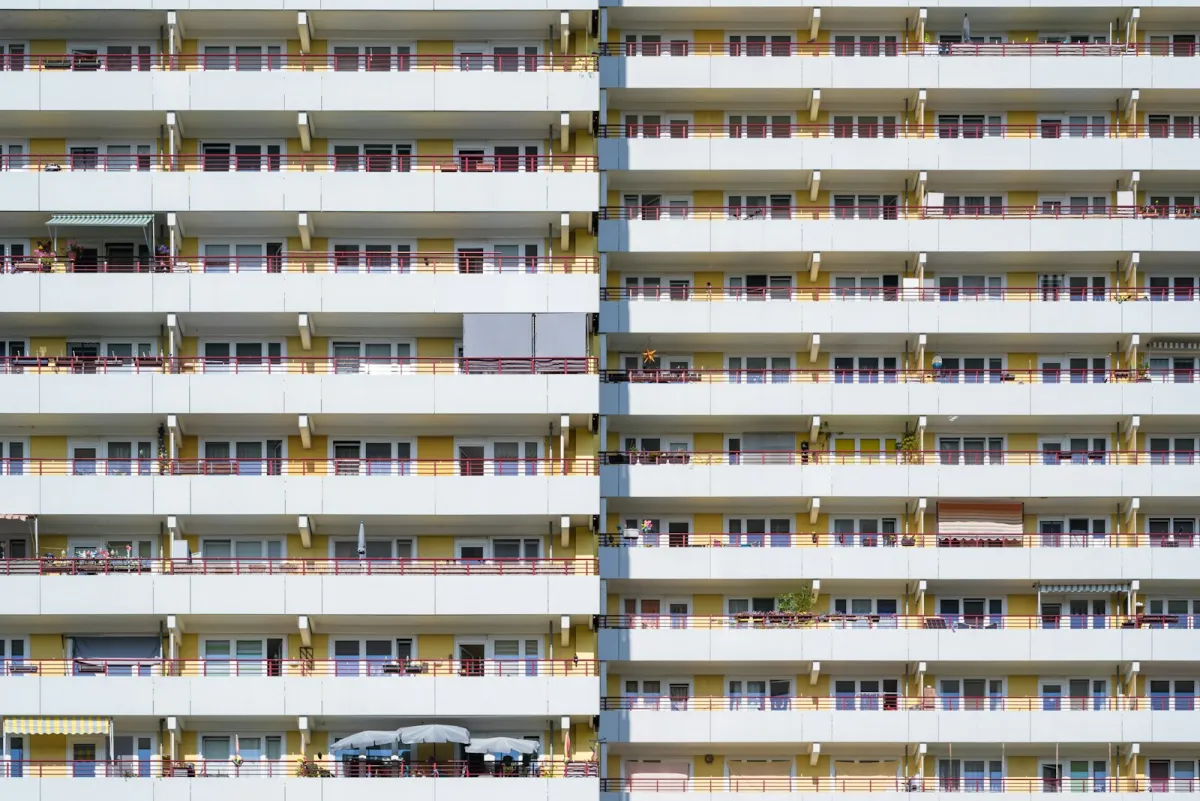
Germany is the rental capital of Europe, and that's not a casual line. 52.8% of the population lived in rented accommodation in 2025 (the EU's highest share by some distance), and a strong tenant-protection framework means most people stay in their flat for years rather than chase the property ladder. For an expat arriving in 2026, that's mostly good news: long leases, real protections, and a mature rental market.
The catch is the competition. In Berlin, Munich, Hamburg, Frankfurt and Cologne, popular listings get hundreds of inquiries within hours. Landlords are looking for the most financially stable, complete application in the pile, which means an unprepared candidate gets filtered out before anyone reads the cover letter.
This is the playbook for finding an apartment in Germany in 2026: where to search, the document dossier landlords actually want, how to decode the German rent quote, and what to handle after you've got the keys.
Key Facts at a Glance
| Item | 2026 detail |
|---|---|
| Share of population renting (Germany, 2025) | 52.8% (highest in the EU) |
| Anmeldung (address registration) | Within 14 days of moving in |
| Wohnungsgeberbestätigung (landlord confirmation) | Legally required; landlord must provide within 14 days (§ 19 Bundesmeldegesetz) |
| Bestellerprinzip for rentals | Whoever ordered the agent (Makler) pays the fee, in force since 2015 |
| Typical rent deposit | Up to 3 months' Kaltmiete |
| Family reunification visa minimum space | 12 sqm per adult and 10 sqm per child under 6 (state-dependent) |
| Main online platforms | ImmobilienScout24, Immowelt, Immonet |
| Short-term bridge platforms | Wunderflats, HousingAnywhere, WG-Gesucht |
How the German Rental Market Actually Works
A few things shape the way the market behaves and explain a lot of newcomer surprises.
Long-term leases are the norm. Most contracts are open-ended (unbefristet), and the standard notice period for tenants is three months. That gives landlords every reason to choose carefully, and gives tenants reasons to stay put once they're in.
Tenant protections are strong. Rent caps (Mietpreisbremse) apply in most tight urban markets, eviction is hard, and rent rises during a contract are limited. This is part of why landlords scrutinise applications so heavily; a bad tenant is genuinely difficult to remove.
Demand outstrips supply in the big cities. Berlin, Munich, Hamburg, Frankfurt and Cologne are the toughest markets. If you're flexible on city, you'll have more options, which is one reason our Best Cities in Germany guide is worth a read before you commit.
Where to Search
Long-term searches almost always start online. The three platforms that matter most are:
- ImmobilienScout24 is the market leader. Premium alerts (the paid Plus account) get you in front of new listings faster, which matters in the tight markets.
- Immowelt / Immonet run the second-largest network. Broader coverage, smaller user base than ImmoScout24.
- Immobilio is a useful aggregator that pulls listings from several sources.
For your first three to six months, while you're trying to view long-term places in person, a furnished short-term rental is usually the smart bridge:
| Category | Recommended platforms | Why |
|---|---|---|
| Short-term furnished | Wunderflats, HousingAnywhere | Fully furnished, often bookable from abroad |
| Shared flats (WG) | WG-Gesucht | Affordable, social, ideal for individuals |
| High-end vetted | Spotahome | Video tours, professionally managed |
Critical to check before you book: any temporary provider must give you a Wohnungsgeberbestätigung (landlord confirmation of residence). Without one, you cannot complete your Anmeldung, which means no German bank account, no tax ID, no proper integration into the system. Confirm in writing before you pay.
Your Application Dossier
German landlords prioritise financial stability. The applications that get shortlisted are the ones that arrive complete, in one tidy PDF, looking like a real prospect already lives in the country.
What to include:
- Passport or ID for identity
- Employment contract showing your role and salary
- Last three payslips as proof of current income
- SCHUFA report (the German credit score). New arrivals can request one once they have an address; landlords expect to see it
- Mietschuldenfreiheit (a confirmation from your last landlord that you don't owe any rent)
- Haftpflichtversicherung (personal liability insurance, which most German landlords assume you have anyway)
If you're moving from abroad and don't yet have a SCHUFA, write a short cover note explaining that, and substitute your employment contract and a few months of US/UK bank statements showing salary inflows. It's not as good as a real SCHUFA, but it's much better than leaving the box blank.
Kalt vs Warm: Decoding the German Rent Quote
Every German listing quotes rent in two parts, and this is the bit that catches newcomers out. Read both numbers carefully before you compare flats.
- Kaltmiete (cold rent) is the base price for the four walls alone.
- Nebenkosten (utilities/service charges) cover heating, water, waste collection and building maintenance.
- Warmmiete (warm rent) is the total monthly payment to the landlord (Kaltmiete + Nebenkosten).
Electricity and internet are normally separate contracts you set up yourself. Build the budget from Warmmiete plus those two, not Kaltmiete on its own. For a wider view of what life actually costs in Germany, our cost of living guide breaks it down city by city.
Tips That Make the Difference
A few details that quietly decide who gets the flat:
The Bestellerprinzip. If you hire a Makler (agent) to find you a flat, you pay the fee. If the landlord hired them, the landlord pays. This has been the law since 2015, and it's a meaningful saving over the old days when tenants paid Makler fees of two months' rent plus VAT. Always check who's listed as the booker.
The Einbauküche (EBK) surprise. Many German apartments are rented without a kitchen. The previous tenant either takes their kitchen with them, or offers it to you for purchase (Ablöse). If neither, you're buying and installing an EBK from scratch. Budget €2,000 to €6,000 if you're buying new.
Viewings are interviews. Dress well, arrive on time, bring printed copies of your application dossier (yes, paper), and where possible bring a German-speaking friend. Showing respect for German formality goes a long way.
Family reunification space requirements. If you're applying for a family reunion visa, your apartment must meet a minimum size: typically 12 sqm per adult and 10 sqm per child under 6. Some federal states are flexible on this, but plan the apartment search around it from day one. Our family reunion visa guide covers the rest of the visa requirements.
Post-Move-In Checklist
The day you get the keys is not the end of the process. The first two weeks are the busiest.
- Inspection protocol on day one. Photograph every existing scratch, dent, mark and defect; send the photos to your landlord by email. This protects your deposit at move-out.
- Anmeldung within 14 days. Visit your local Bürgeramt with your passport, rental contract and Wohnungsgeberbestätigung. This is non-negotiable; missing the window risks a fine.
- Doorbell and mailbox label. German postal carriers will not deliver mail if your name doesn't appear on the doorbell and the letterbox. Update both immediately.
- Electricity contract. If you don't choose a provider, you default to the local Grundversorger at the most expensive rate. Compare providers on Verivox or Check24 in the first week.
- Internet contract. Order as soon as you have the address; installation queues can run six to eight weeks in some cities.
Frequently Asked Questions
What percentage of Germans rent rather than own? In 2025, 52.8% of the population lived in rented accommodation, the highest share in the European Union. Germany has a deeply established rental culture supported by strong tenant-protection laws.
Do I have to register my address within 14 days of moving in? Yes. The Anmeldung at your local Bürgeramt is legally required within 14 days of moving in. You'll need your passport, rental contract and the Wohnungsgeberbestätigung that your landlord is legally obliged to provide within the same 14 days under § 19 of the Bundesmeldegesetz.
Who pays the agent (Makler) fee in Germany? Whoever ordered the agent pays the fee. This Bestellerprinzip has been in force for rental properties since 2015. If you hired the agent to find you a flat, you pay; if the landlord did, the landlord pays. Check the listing carefully before you sign.
What's the difference between Kaltmiete and Warmmiete? Kaltmiete (cold rent) is the base price for the apartment alone. Warmmiete (warm rent) adds Nebenkosten, monthly service charges covering heating, water, waste and building maintenance. Electricity and internet are normally separate. Budget against Warmmiete plus your own bills.
Are German apartments really rented without a kitchen? Often yes. The previous tenant typically either takes their Einbauküche (built-in kitchen) with them or sells it to you. If the apartment is empty, you're installing your own. Budget €2,000 to €6,000 for a new kitchen depending on size and finish.
At Move2Europe, we help skilled professionals plan their move to Germany, including the rental search so that your contract, your Anmeldung and your visa paperwork all line up cleanly.
Book a consultation and let's map out your move.
Official sources:
- Federal Statistical Office (Destatis): Rented accommodation in the EU, Germany's tenancy share data
- Bundesmeldegesetz § 19 (gesetze-im-internet.de), Landlord confirmation requirement
- Make it in Germany: Renting an apartment, Federal government portal for newcomers
- BAMF: Family Reunification, Federal office on visa requirements and housing standards