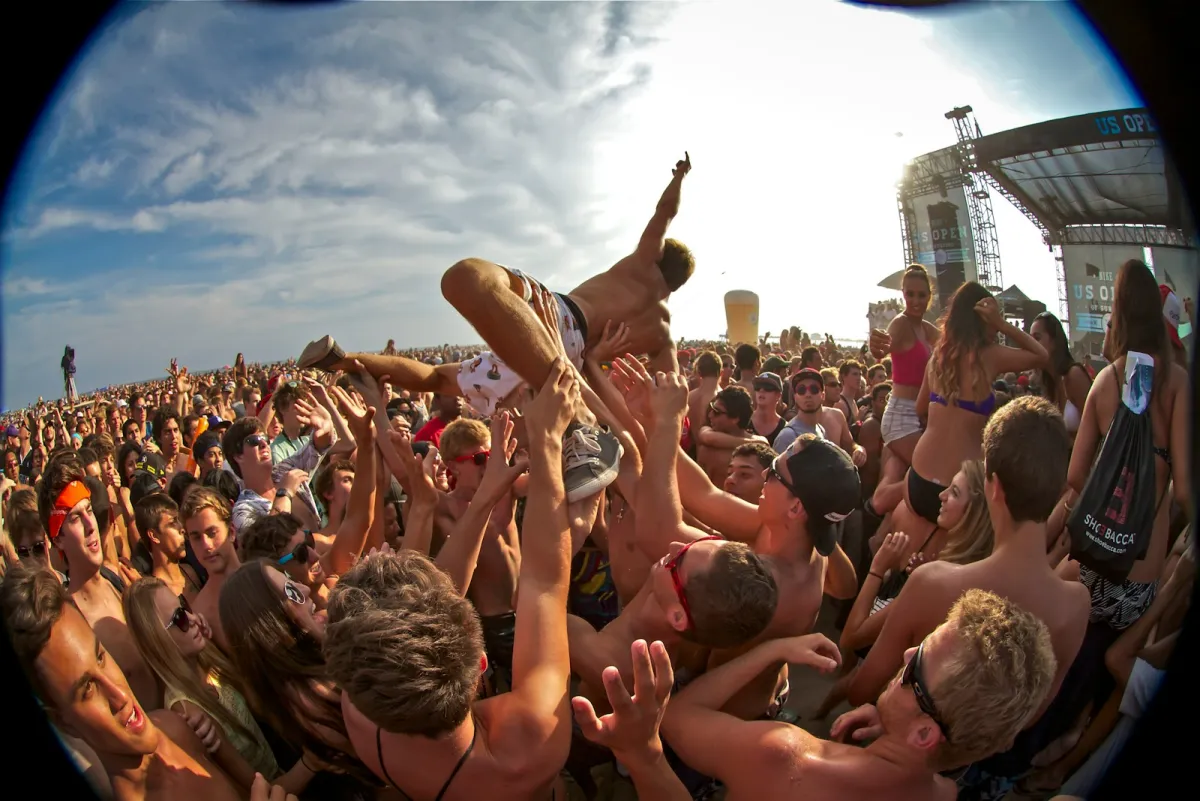
There's a version of Germany most people never picture. The grey, buttoned-up country of stereotypes disappears around June, and something else takes over: cafés spill onto the pavement, parks fill up until midnight, rivers light up with fireworks, and somewhere nearby there's almost always a festival happening.
For anyone weighing a move to Europe, this matters more than it sounds. A German summer isn't a two-week holiday you fly in for. It's the everyday backdrop to ordinary life, and it's one of the easiest, most enjoyable ways to actually settle in and build a social circle in a new country.
Here's what summer in Germany really looks like, the festivals worth planning around, and why timing your move for this season can make the whole transition smoother.
Key Facts at a Glance
| Festival | City / region | What it is | When |
|---|---|---|---|
| Carnival of Cultures | Berlin | Multicultural street parade, 1M+ visitors | Pentecost (late May/early June) |
| Rhine in Flames | Rhine valley (Bonn, Koblenz) | Fireworks and illuminated boat parades | May–September |
| Tollwood | Munich | Arts, world music, eco and food festival | June–July |
| Kiel Week | Kiel | One of the world's largest sailing events | Late June |
| Summerjam | Cologne (Lake Fühlingen) | Europe's biggest reggae festival | Early July |
| Rudolstadt Festival | Rudolstadt | Germany's largest folk and world music festival | Early July |
| Rheingau Music Festival | Rheingau | Classical music in castles and abbeys | June–August |
| Nature One | Kastellaun | Major electronic music festival | Early August |
The Festivals Worth Planning Your Summer Around
The season really kicks off at Pentecost with Berlin's Carnival of Cultures, a four-day street party in Kreuzberg that draws over a million people and more than 5,000 performers from around the world. For a newcomer, it's a useful first impression: this is a country far more international and open than its reputation suggests, and you don't feel like an outsider in the middle of it.
From there it barely stops. Along the Rhine, Rhine in Flames runs a series of evenings through summer where fireworks light up the river and illuminated boats drift past medieval castles, genuinely one of the most family-friendly spectacles in the country. Up north, Kiel Week turns the Baltic coast into one of the world's largest sailing events, wrapped in a huge festival of concerts and food that pulls in around three million visitors.
If music is your thing, the range is the point. Summerjam by Lake Fühlingen near Cologne is Europe's biggest reggae festival; Nature One, held on a former missile base, is one of the country's biggest electronic gatherings; the Rheingau Music Festival stages classical concerts in actual castles and abbeys through June, July, and August; and the Rudolstadt Festival in Thuringia is Germany's largest folk and world-music event. Munich's Tollwood rolls art, global food, and sustainability into one sprawling summer fixture.
The takeaway isn't the individual line-ups. It's that wherever you land, there's something happening most weekends, and most of it is affordable or free.
Everyday Summer Life Beyond the Festivals
The big events are the headline, but the quieter rhythm is what people end up loving. Weekends fill with lake swims, barbecues, cycling, and picnics. Beer gardens are a genuine institution, not a tourist gimmick. Small towns run wine festivals, open-air cinemas, street fairs, and kids' workshops all season long.
A typical Saturday might be coffee at a neighbourhood bakery, an afternoon by a lake, and an open-air concert in the evening. None of it is expensive, and a lot of it is built around the German habit of actually protecting leisure time, which is the same reason the festival calendar is so full in the first place. If you want to understand why, our guide to work-life balance and labour rights in Germany explains the culture behind it.
Why German Summers Are So Good for Families
If you're moving with kids, this season is a strong argument on its own. German festivals are clean, well-organised, and big on family zones, face painting, workshops, and activities are the norm rather than an afterthought. Most events are free or cheap, so a full weekend out doesn't drain the budget.
There's also the quieter benefit: children grow up around a genuine mix of cultures and languages, which tends to produce open, adaptable kids. For a family in its first year abroad, a summer of low-stress, low-cost weekends out is about the gentlest possible introduction to a new country.
How Summer Helps You Settle In Faster
Moving abroad can feel isolating, and the hardest part is usually the social side, not the paperwork. Summer quietly solves a lot of that. Festivals and open-air events are visual, interactive, and international, so they're easy to enjoy even before your German is any good. They throw locals and newcomers together in a relaxed setting, which is exactly how friendships and professional connections tend to start.
It's a real head start on the thing most expats struggle with. If building a social circle is on your mind, our guides to making friends in Germany as an expat and settling into Europe in your first 30 days pick up where the festival season leaves off.
Should You Time Your Move for Summer?
If the calendar allows it, arriving just before or during summer is a smart play. The weather makes the practical grind of settling in less miserable, there's a constant supply of low-pressure events to meet people at, and schools and kids' activities are easier to slot into. You build a network faster and feel at home sooner.
The honest caveat: visa and relocation timelines don't bend to the seasons. Getting your paperwork, job offer, and move lined up takes months, so "move this summer" really means "start the process now." The people who keep saying "maybe next year" mostly just lose another summer to the waiting.
Frequently Asked Questions
When is festival season in Germany? It runs roughly from late May through August. Berlin's Carnival of Cultures at Pentecost kicks things off, and there's something happening most weekends across the country through the end of summer.
What is the biggest summer festival in Germany? By sheer numbers, Kiel Week is one of the largest, around three million visitors and one of the world's biggest sailing events. Berlin's Carnival of Cultures draws over a million people for its street parade.
Are German festivals family-friendly? Very. Most are clean, well-organised, and include dedicated family zones with activities for children. Many are free or inexpensive, which makes them easy to enjoy with kids.
Do I need to speak German to enjoy the festivals? No. The events are visual, interactive, and international, so you can enjoy them from day one. That said, learning some German still helps enormously with everyday life once the festival ends.
Is summer a good time to move to Germany? Yes, if your timeline allows. Better weather, a packed social calendar, and easier integration all make settling in smoother. Just remember that visa and relocation processes take months, so you need to start well before summer to arrive in time.
Official sources:
- Germany Travel (German National Tourist Board), official guide to festivals and events across Germany
- Carnival of Cultures, Berlin.de, the city of Berlin's official event page
- Kieler Woche official site, Kiel Week programme and visitor information
- Rudolstadt-Festival official site, Germany's largest folk and world music festival