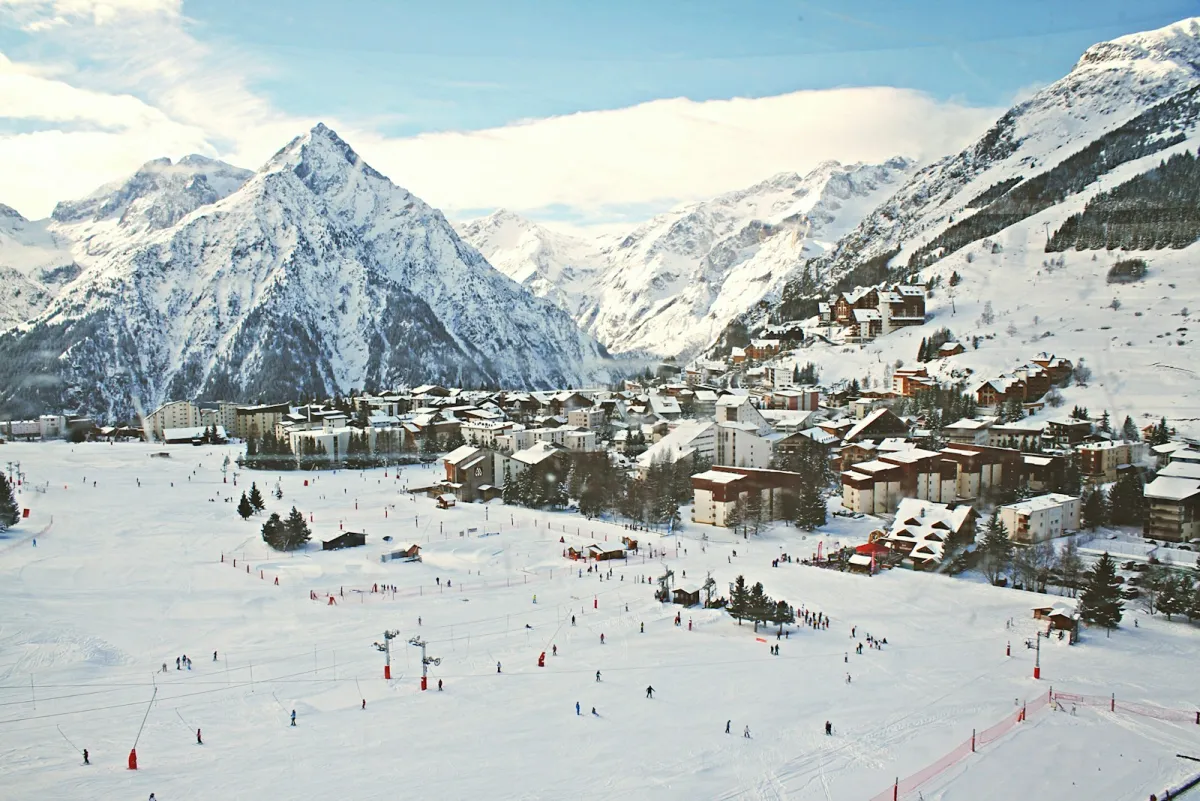
For a lot of American professionals, a "winter wonderland" is a postcard you visit for a week. For a growing number of people moving to Europe, it's just where they live. More than 80,300 US citizens were issued a first residence permit in the EU in 2024, and plenty of them weren't only chasing a better job. They were after a life where world-class leisure and a real career sit side by side.
Austria gets overshadowed by Germany next door, and that's a shame. Germany has the bigger economy and the faster route to permanent residency, but the Austrian Alps are about as pure an expression of the European work-life balance idea as you'll find. Here, the real test of daily life isn't whether the grocery store stocks your brand of cereal. It's how fast you can get from your desk in Innsbruck to a gondola on the Nordkette.
Here's why the Alps work as a base for your career, not just your holidays.
Key Facts at a Glance
| Region | Resorts | Nearest job hub | Best for |
|---|---|---|---|
| Arlberg | St. Anton, Lech | Zurich (~2 hrs) | Finance, consulting, senior roles |
| Kitzbühel | Kitzbühel (Hahnenkamm) | Innsbruck / Munich | Networking, international community |
| Zillertal | Mayrhofen, Hintertux | Innsbruck, Munich | Tech, younger professionals, year-round skiing |
The Alpine Work-Life Balance Is Real
Moving to the Alps isn't a permanent vacation, but it does reset what an ordinary week feels like. Austrian and broader European workplaces genuinely protect weekends and leisure time, and most contracts come with 25 to 30 days of paid vacation that people actually use without apologising for it.
That's the part Americans tend to underestimate. Clients often tell us the biggest change after moving isn't the salary figure on the contract, it's being able to take real time off without guilt. In the Alps, that translates straight into weekends on some of the most legendary slopes in the world instead of in front of a laptop.
Top Alpine Regions for Career-Minded Skiers
Where you base yourself is a strategic call, not just a scenery preference. Austria's best ski regions sit within reach of real job markets, so you don't have to trade your career for the powder.
The Arlberg, around St. Anton and Lech, is the "cradle of alpine skiing", refined, demanding terrain that suits senior professionals and anyone in finance or consulting, helped by Zurich sitting around two hours away. Kitzbühel, home of the world-famous Hahnenkamm downhill race, is the place if your network matters as much as your edge control; its international crowd makes social integration fast. And the Zillertal, around Mayrhofen and the Hintertux Glacier, offers a younger, high-energy scene with year-round skiing on the glacier, plus easy access to both Innsbruck and Munich, two serious job markets.
The Real Financial Picture
A lot of Americans hesitate over European salaries, which often look lower on paper. The honest comparison isn't the gross number, though, it's what you keep and what you no longer have to pay for. Here's the rough shape of it:
| Expense | Typical US (major city) | Typical Austria |
|---|---|---|
| Monthly health premium | $400–$800 | Covered through payroll, no large premium |
| Annual deductible | $1,500–$6,000 | Minimal to none |
| Emergency room visit | $1,000–$3,000+ | €0–€50 |
| Nationwide transit pass | Often need a car | Klimaticket Ö: €1,400/year (~€117/month) |
The Klimaticket is worth calling out: one annual pass covers unlimited public transport across all of Austria, which for many people removes the cost of owning a car entirely.
On the US side, the Foreign Earned Income Exclusion (FEIE) helps more than people expect. For 2026 you can exclude up to $132,900 of foreign-earned income from US federal income tax, which for many professionals wipes out most or all of the US bill on their salary. It's not a magic "no taxes anywhere" button, you still file, and other rules apply, but it's why double taxation is far less scary in practice than it sounds.
Building a Social Life on the Slopes
The hardest part of moving abroad is usually the social side, not the paperwork. Alpine ski culture quietly solves a lot of it, the same way Germany's summer festivals do. The mountain is a natural meeting place: connections and even business conversations happen in the relaxed setting of a mountain hut, and après-ski works as a social equaliser where locals and newcomers mix without much ceremony.
There's a language note here. English is widely spoken in the professional and social life of major resorts, so you won't be stuck on day one. But learning German still matters for the long haul and for life outside the resort bubble, it's worth starting early regardless of where you land. If you want the broader European context, our guide to work-life balance and labour rights explains the culture that makes all this leisure time possible, and the Vienna guide covers Austria's other obvious base if the city appeals more than the slopes.
Why Start Now
The appetite is clearly there: a March 2024 Monmouth University poll found that 34% of Americans would settle in another country if they could, more than triple the share in the 1970s. And with the EU actively recruiting skilled workers to fill labour shortages, the "if they could" part is often solved by an employment-based work visa.
The catch is timing. A move like this typically runs 6 to 12 months from first research to actually arriving, once you factor in the job search, visa, and logistics. So if you want to be carving through the Alps next winter, the search has to start now. The most common regret we hear from people who moved isn't that they went, it's that they waited. Our post on the mistakes that sink most moves to Europe covers how to avoid losing a year to hesitation.
Frequently Asked Questions
Can I really have a serious career while living in the Austrian Alps? Yes, if you base yourself strategically. Regions like the Arlberg, Kitzbühel, and the Zillertal sit within reach of hubs like Zurich, Innsbruck, and Munich, so you can keep a real career and still be on the slopes most weekends.
Do I need to speak German to work and live in Austria? English is widely spoken in major resorts and many international workplaces, so you can start without fluent German. For the long term and everyday life outside the resorts, learning German makes a real difference, so it's worth starting early.
Will I pay tax twice as a US citizen living in Austria? Usually not on most of your salary. The US Foreign Earned Income Exclusion lets you exclude up to $132,900 of foreign-earned income for 2026, which removes most or all of the US tax on it. You still need to file, and a cross-border tax advisor is worth consulting.
Is the cost of living lower than in the US? In key areas, yes. Health coverage runs through payroll rather than big premiums and deductibles, and a single Klimaticket (€1,400/year) covers all of Austria's public transport, often replacing a car. Salaries can look lower on paper while disposable income holds up well.
How long does it take to move to Austria from the US? Plan for roughly 6 to 12 months from initial research to arrival, covering the job search, visa, and relocation logistics. To be settled in time for ski season, you need to begin the process well in advance.
Official sources:
- Austrian National Tourist Office, official guide to Austria's regions and ski areas
- Klimaticket Ö official site, Austria's nationwide public transport pass and current pricing
- IRS, Foreign Earned Income Exclusion, current FEIE rules and amounts for US citizens abroad
- Migration to Austria (official portal), Austria's official information on work and residence permits