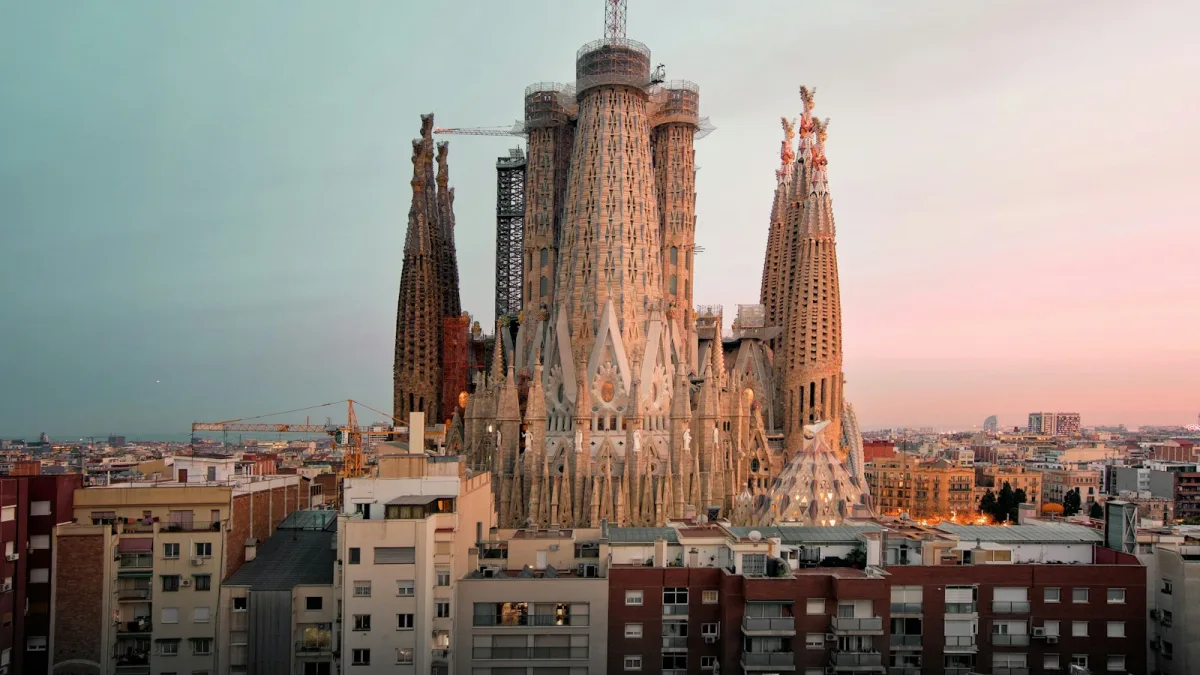
Barcelona is the city people move to for the life and stay for the career, or think they're moving for the career and then fall for the life. It's Spain's design and tech capital, a Mediterranean port with a serious startup scene, world-class food, and a beach inside the city. For a professional weighing a European move, it's the one that sells itself on lifestyle and backs it up with a genuine job market and one of the most generous tax breaks on the continent.
The honest version: salaries are lower than you'd earn in a US tech hub, and the housing market is tight and politically fraught. But the cost of living is far below American city prices, the Beckham Law can cut your tax bill hard for six years, and the trade of a smaller paycheck for sun, sea and a slower pace is one a lot of people are happy to make.
This guide is about Barcelona the city, its districts, the housing search, what you'll earn and keep. For the Spain-wide machinery, the visa, the tax regime, the culture, we've written those separately and linked them where they matter.
Key Facts at a Glance
| Detail | Info |
|---|---|
| Population | ~1.6 million in the city, ~5.6 million in the metro area |
| Region | Capital of Catalonia; Spanish and Catalan are both official |
| Vibe | Mediterranean, creative, international, social, outdoors |
| Main industries | Tech and startups, fintech, life sciences, tourism, design |
| Tax perk | The Beckham Law, a flat 24% rate for up to six years |
| English | Widely spoken in tech and international firms |
| Getting around | Metro, bus, walkable, very bikeable. No car needed |
| The hard part | A tight, contested housing market |
| Best for | Tech, startup, design and life-sciences professionals |
Why Barcelona, and Why Not
Barcelona's job market is the strongest case for it after the weather. It's one of southern Europe's leading tech and startup hubs, with the 22@ innovation district in Poblenou pulling in software, fintech and product companies, a growing life-sciences cluster around the Barcelona Health Hub, and the global pull of events like Mobile World Congress. The international sector hires in English, so you can land and work without fluent Spanish, at least at first.
Then there's the life. A Mediterranean climate with real winters-off sunshine, a beach in the city, some of the best food in Europe, and a culture that genuinely protects time outside work, including the summer jornada intensiva where many offices finish at 3pm. The cost of living sits well below US city levels, and the Beckham Law, which we'll come to, can make the take-home maths work better than the headline salary suggests.
The downsides are real. Housing is the big one: Barcelona has a severe rental shortage and the politics around tourism and short lets make the market tense and competitive. Salaries are lower than in northern Europe or the US. And while you can get by in English and Spanish, Catalan is co-official here and matters for deeper integration, as our guide to Spanish culture gets into. For the national picture, our Spain guide for professionals is the companion to this one.
The Districts: Where to Actually Live
- Eixample: the iconic grid, central and elegant, full of modernist architecture and close to the main offices. The default for a sophisticated urban base.
- Gràcia: a former village with a bohemian, community feel, little plazas and narrow streets, popular with young professionals and families.
- Poblenou: the 22@ tech district, converted industrial lofts a short walk from the beach, the top pick for tech workers and remote professionals.
- Sant Gervasi and Sarrià: quieter, greener and more upmarket uptown, favoured by families and higher earners.
- El Born and the Gothic Quarter: the historic centre, atmospheric and central, lively and touristy in equal measure.
As everywhere, central and seafront means pricier. The usual trade applies: minutes to the action against euros per month.
The Housing Reality
Housing is the hardest part of a Barcelona move. The city has a genuine shortage of long-term rentals, demand is high, and the politics around tourist flats keep the supply tight, so good listings go fast and competition is stiff.
A few things to know:
- Get your NIE early. The NIE (foreigner identification number) is the key to renting, a bank account and a contract, so sort it as a first priority.
- Expect to move quickly. A strong long-term rental can be gone in a day, and landlords often want proof of income and several months up front.
- Watch the lease type. Make sure you're signing a long-term residential contract, not a temporary or tourist let, which carries fewer protections.
- Start with a landing pad. A short-term furnished place for the first weeks lets you view long-term homes in person once you're on the ground.
Visas and the Beckham Law
Spain runs the usual routes for non-EU professionals: an employer-sponsored work permit, the EU Blue Card for the highly qualified, and a Digital Nomad Visa for remote workers employed outside Spain. Our Spain guide covers the routes and the thresholds.
The financial headline is the Beckham Law. If you qualify, it lets you pay a flat 24% tax on your Spanish employment income up to €600,000 for your first six years, instead of Spain's normal progressive rates, which in Catalonia climb to around 50%. You generally have to not have been a Spanish tax resident in the previous five years and apply within six months of starting work. For a senior professional that gap is serious money, and our Beckham Law guide walks through who qualifies and the 2026 detail, including what it means for US citizens.
What You'll Earn and Spend
Barcelona salaries are solid for Spain and strongest in tech, fintech and life sciences, though lower than northern Europe or the US in raw terms. The Beckham Law and the low cost base are what close the gap: once you factor in rent, food and healthcare at Barcelona prices, the disposable income can match or beat a bigger US paycheck.
Spain's normal income tax is a mix of state and regional rates, so the top rate depends on where you live, and Catalonia sits at the higher end. Healthcare is a two-track system: the public service (CatSalut) once you're paying into social security, which many expats pair with affordable private insurance for shorter waits and English-speaking doctors. Our Spain guide has the tax and healthcare detail.
Getting Around
You will not need a car in Barcelona. The metro and bus network is dense and cheap, the city is famously walkable, and it's increasingly set up for cycling. An integrated monthly transit pass covers the metro, buses and trams across the city, and the regional and national rail links put the Costa Brava, Girona and Madrid within easy reach, with France just up the coast. The airport is a short metro or train ride from the centre.
The Catch
Barcelona gives you the best lifestyle on this list, a real tech job market and a powerful tax break, and asks you to accept lower salaries and a brutal housing search in return. Start the apartment hunt before you arrive and treat it as a project. And while English and Spanish get you a long way, Catalan matters for the long haul, so some effort there pays off socially and professionally.
If you're comparing Barcelona with the rest of Europe, our guide to the top European cities for expats sets it against the northern hubs, and our Spanish culture guide covers settling in.
Frequently Asked Questions
Is Barcelona a good place for expats to live? Yes, especially for tech, startup, design and life-sciences professionals who value lifestyle. It has a strong job market, a Mediterranean climate, a beach in the city, a low cost of living by US standards, and the Beckham Law tax break. The main trade-offs are lower salaries than northern Europe and a very tight housing market.
What is the Beckham Law and how does it help in Barcelona? The Beckham Law lets qualifying newcomers pay a flat 24% tax on Spanish employment income up to €600,000 for six years, instead of Spain's progressive rates that reach around 50% in Catalonia. You generally must not have been a Spanish tax resident in the prior five years and must apply within six months of starting work.
Do I need to speak Spanish or Catalan to live in Barcelona? Not to get started. English works in tech and international firms, and Spanish covers daily life. Barcelona is in Catalonia, where Catalan is co-official, so learning some of both helps a lot for long-term integration, friendships and career growth.
Is it hard to find housing in Barcelona? Yes. Barcelona has a real shortage of long-term rentals and a competitive market made tighter by the politics around tourist flats. Good listings go fast, so sort your NIE early, line up your documents, and consider a short-term place first while you search in person.
Is Barcelona expensive to live in? It is one of Spain's pricier cities, mostly because of rent, but the overall cost of living is well below major US hubs. Combined with the Beckham Law, many professionals find their real disposable income is higher than the lower headline salary suggests.
Barcelona is the move for a professional who wants the Mediterranean life without giving up a real career, and who can ride out a tough housing search to get it. Come with an in-demand skill, sort your paperwork early, and check whether the Beckham Law fits, and it's one of the most enjoyable relocations in Europe.
For the national picture, our Spain guide and Beckham Law guide cover the visa and tax detail.
Official sources:
- Agencia Tributaria, the Spanish tax agency on the special expat regime (Beckham Law)
- Barcelona City Council, the official city portal for residents and newcomers
- Your Europe, EU guidance on registering residence in Spain