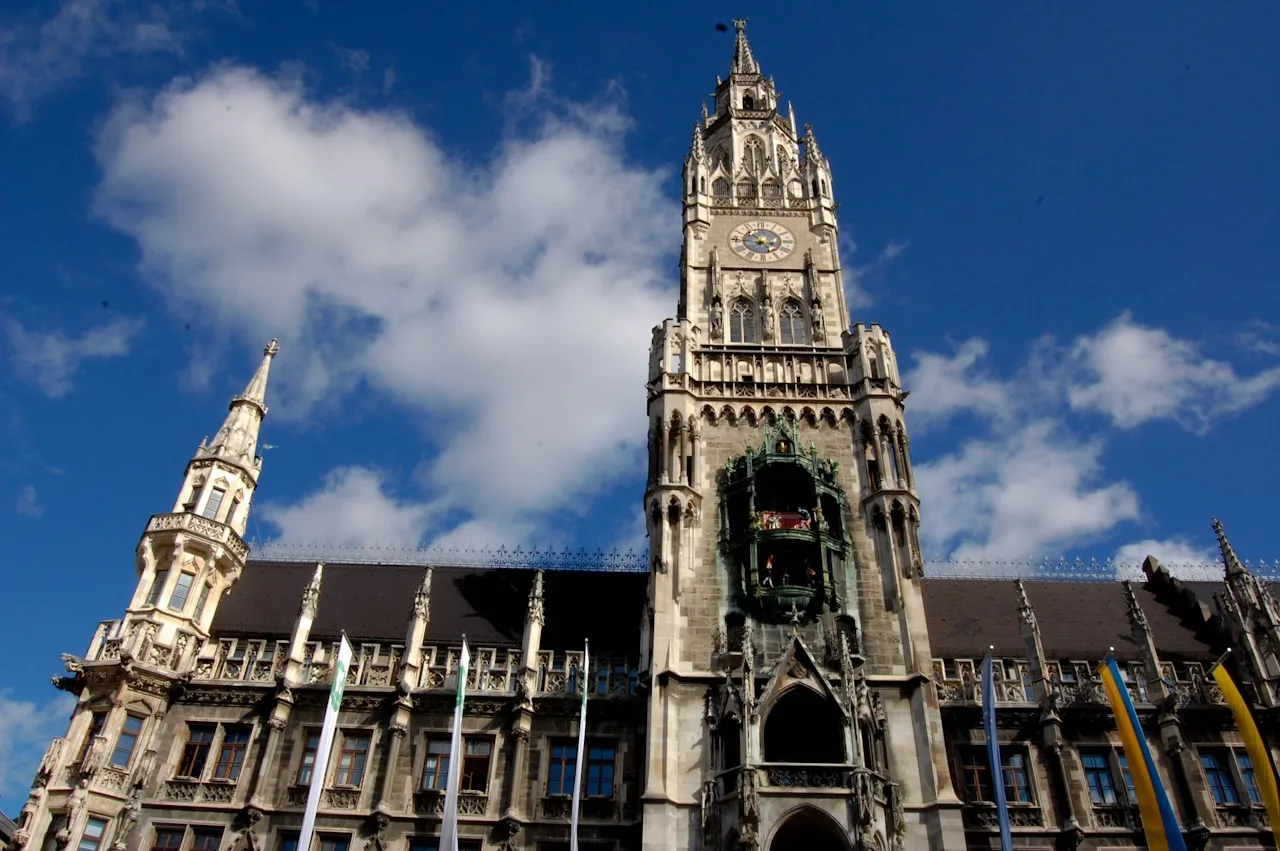
Germany attracts skilled professionals from all over the world — and for good reason. Strong salaries, excellent public services, reliable infrastructure, and a quality of life that's hard to match elsewhere. But plenty of people arrive underprepared for what things actually cost. The numbers on your offer letter look good until rent, insurance, and taxes take their share.
Here's a section-by-section breakdown of living expenses in Germany as an expat in 2026.
Cost of Living in Germany: Key Numbers at a Glance
| Expense | Typical Monthly Cost (Single Person) |
|---|---|
| Rent (1-bed, city centre) | €1,000–€1,800 depending on city |
| Utilities (Nebenkosten) | €250–€350 |
| Groceries | €200–€300 |
| Deutschlandticket (public transport) | €63 |
| Health insurance (employee share) | ~8.5% of gross salary |
| Internet | €30–€50 |
| GEZ broadcasting fee | €18.36 |
| Gym | €15–€80 |
| Eating out | €100–€250 (varies by frequency) |
How Much Does Rent Cost in Germany by City?
Rent is where most of your budget will go. The city you choose makes a real difference.
In Munich, expect to pay €1,200–€1,800/month for a one-bedroom in the city centre. It's the most expensive major city in Germany, and the gap between supply and demand keeps pushing rents up. Frankfurt and Stuttgart are slightly more manageable — roughly €1,100–€1,400 for a comparable apartment. Berlin, which used to be the affordable option, has closed that gap fast. You're now looking at €1,000–€1,400 for a one-bedroom there too. Hamburg sits somewhere in between, generally a bit cheaper than Berlin for city centre rentals.
If you're willing to live outside the city centre, rents drop noticeably. In Berlin you can find a one-bedroom for €900–€1,000 outside the ring, and in Munich around €1,000–€1,200. The Deutschlandticket makes outer neighbourhoods much more viable since your commute cost is fixed at €63/month regardless of distance.
What Catches New Arrivals Off Guard
- Security deposit: landlords typically require up to 3 months' cold rent (Kaltmiete) upfront. On a €1,200/month apartment, that's €3,600 before you've even moved in
- Nebenkosten: utilities — heating, water, waste disposal — are often not included in the listed rent. Budget an extra €250–€350/month depending on apartment size and energy efficiency
- Credit history: you'll likely need a SCHUFA report and proof of income to even get a viewing. For new arrivals with no German credit history, this can be a real barrier
- Furnished vs unfurnished: many German apartments come completely unfurnished — no kitchen, no light fixtures. Factor in a one-time setup cost of €2,000–€5,000 if you're starting from scratch
Before committing to a city, run your numbers through a Brutto-Netto calculator. A €70,000 gross offer in Munich lands you in a very different financial position than the same offer in Cologne or Leipzig.
How Much Do Groceries Cost in Germany?
Day-to-day food costs are manageable if you shop smart. A weekly grocery basket for one person runs €50–€70 on average. Germany's discount supermarkets — Aldi, Lidl, Penny, Netto — are good quality and can bring that down to €40–€50 with minimal sacrifice.
To give you a sense of individual prices: a litre of milk is about €1.10, a loaf of bread around €2, a dozen eggs about €3.35, and a kilo of chicken fillets runs €11. These are Berlin averages from Numbeo — Munich is marginally more expensive but the difference on groceries is small.
Eating out is where it adds up. A casual lunch or dinner runs €15–€18, while a sit-down mid-range restaurant costs €30–€40 per person. Tipping isn't mandatory — 5–10% is the norm.
One thing to know: Sundays in Germany are a real rest day (Ruhetag). Most shops are closed. Plan ahead, or you're paying convenience store prices.
What Does Public Transport Cost in Germany?
Germany's Deutschlandticket is one of the best transport deals in Europe. €63/month gives you unlimited travel on all local and regional trains, buses, trams, and metros across the entire country. The price went from €49 when it launched in 2023 to €58 in 2025, and then to €63 in January 2026. For most city-based expats, this is the only transport cost you need.
Car ownership adds up fast: fuel (around €1.55–€1.75/litre), insurance, road tax, and parking in city centres are all expensive. Most expats in Berlin or Munich skip it entirely. The public transit is excellent, and cycling covers the rest for short commutes.
How Does Health Insurance Work in Germany?
Health insurance is legally required in Germany — there's no opting out.
If your gross salary is below €77,400/year (the 2026 threshold), you'll be enrolled in public health insurance (gesetzliche Krankenversicherung or GKV). The base contribution rate is 14.6% of gross income, plus a provider-specific supplementary rate that averages around 2.5% in 2026 — bringing the total to roughly 17.1%. This is split approximately equally between you and your employer, so your share comes out to around 8.5%. Long-term care insurance (Pflegeversicherung) adds another 3.6% if you have children, or 4.2% if you don't.
Above the €77,400 threshold, private health insurance (PKV) becomes an option. Premiums typically run €400–€700/month for individuals, depending on age, health status, and coverage level. Private insurance means faster specialist access and broader coverage — but costs rise as you age, and switching back to public insurance isn't straightforward.
Budget separately for dental work, glasses, and some specialist treatments. These often require partial out-of-pocket payments regardless of which insurance you're on.
We cover the full insurance landscape in our guide on the 3 insurances every newcomer needs.
How Much Tax Do You Pay in Germany?
Germany's tax system takes a meaningful share of your income. Einkommensteuer (income tax) is progressive — starting at 14% and rising to 42% for higher earners, with a top rate of 45% above approximately €277,826.
But income tax is only part of the picture. Social contributions — pension, unemployment, health, and long-term care — add up to roughly 40% of gross income, split approximately equally between employer and employee. Your share is around 20%.
Here's a rough example to make it concrete: on a €60,000 gross salary in tax class 1, you'll take home roughly €3,000–€3,200/month after all deductions. On €80,000, expect around €3,800–€4,100 net. The exact numbers depend on your tax class, church tax status, and insurance provider.
Before you accept any job offer, run your numbers through a Brutto-Netto calculator. Budgeting from gross salary and then being surprised by your first payslip is one of the most common mistakes expats make. For a deeper look at how German taxes work, check our expat guide to taxes in Germany.
The GEZ — Germany's Mandatory Broadcasting Fee
This one catches almost every newcomer off guard. Every household in Germany is required to pay the Rundfunkbeitrag (broadcasting fee) of €18.36 per month. It doesn't matter whether you own a TV, listen to the radio, or stream everything online — the fee is per household, not per device, and it's non-negotiable. You'll receive a letter from the Beitragsservice shortly after registering your address. It's not a lot of money, but it's one of those costs nobody warns you about until the bill arrives.
Lifestyle and Extras
A few regular costs worth factoring into your monthly budget:
- Gym memberships: budget gyms like McFit or FitX run €15–€30/month; premium gyms charge €50–€80
- Home internet: around €30–€50/month for a standard broadband connection
- Streaming services: Netflix, Spotify, and similar add up — factor in €10–€20 per service
- Mobile phone: a decent plan with data runs €10–€30/month. Germany has competitive mobile pricing
- Weekend travel: Germany's central location makes it easy — and tempting — to explore neighbouring countries regularly. Those trips add meaningfully to monthly spending
Sample Monthly Budget for an Expat in Germany
To put it all together, here's what a typical single expat might spend per month in Berlin on a €55,000 gross salary (roughly €2,800 net):
| Expense | Monthly Cost |
|---|---|
| Rent (1-bed, city centre) | €1,200 |
| Utilities (Nebenkosten) | €300 |
| Groceries | €250 |
| Deutschlandticket | €63 |
| Internet | €40 |
| Mobile phone | €15 |
| GEZ broadcasting fee | €18 |
| Gym | €25 |
| Eating out / entertainment | €200 |
| Miscellaneous | €150 |
| Total | ~€2,261 |
That leaves around €500–€550/month for savings, travel, or unexpected expenses. Tight but workable. Bump the salary to €70,000 (roughly €3,500 net) and the picture gets much more comfortable.
From what we've seen working with our clients at Move2Europe, most international hires land offers starting around €65,000–€75,000 — often higher in fields like IT and engineering. Companies recruiting abroad know they're competing for talent that has options, and they price accordingly. The EU Blue Card threshold of €50,700 is really just the legal minimum — in practice, offers tend to sit well above that.
Frequently Asked Questions
Is Germany expensive compared to the US? Rent in Germany is roughly 40% lower than in the US on average, according to Numbeo. But the comparison is tricky because German salaries are also lower in absolute terms, and more goes to taxes and social contributions. What you get back — healthcare, public transport, worker protections, 20+ paid vacation days — doesn't show up in a simple cost comparison but makes a big difference in quality of life.
What salary do I need to live comfortably in Germany? For a single person, €50,000–€60,000 gross gives you a comfortable life in most German cities. In Munich, you'd want closer to €65,000–€75,000 to have similar breathing room. These numbers assume you're not supporting dependents — families will need more.
Which German city is cheapest for expats? Among major cities, Leipzig, Dresden, and Dortmund offer the lowest cost of living while still having decent job markets and infrastructure. If you're working remotely or in a field that doesn't require a top-5 city, the savings on rent alone can be €400–€600/month compared to Munich.
Do I need a car in Germany? In most cities, no. The Deutschlandticket at €63/month covers all local and regional public transport nationwide. Cycling infrastructure is also solid in most German cities. A car only becomes necessary if you live in a rural area or have a commute that isn't well served by public transit.
How much should I save before moving to Germany? Budget for 3 months' rent as a security deposit, first month's rent, possibly furnishing costs (€2,000–€5,000 if the apartment is unfurnished), the blocked account if you're on the Chancenkarte (€13,092), plus flights and initial living costs. A safe number for most people is €8,000–€15,000 depending on your visa type and whether you have a job lined up.
What are the hidden costs of living in Germany? The ones that surprise people most: the GEZ broadcasting fee (€18.36/month per household), the security deposit (up to 3 months' cold rent), Nebenkosten on top of listed rent, unfurnished apartments needing a kitchen, and the SCHUFA credit check. None of these are deal-breakers, but they add up if you're not expecting them.
Germany isn't cheap in 2026. But it's also not a country where you feel shortchanged. The healthcare, the infrastructure, the worker protections, the 20+ days of statutory paid leave — a lot of what you pay in taxes and social contributions comes back to you in ways that are hard to quantify.
The key is going in with clear numbers. Know your net salary. Budget realistically for rent in Berlin, Munich, Frankfurt, or wherever you're landing. Don't underestimate the hidden costs of setting up a new life — deposit, insurance, first month's Nebenkosten, SCHUFA, the works.
If you're still in the planning phase, this is exactly the kind of thing we work through during an initial consultation at Move2Europe.
Book a free call and let's make sure your numbers actually work before you make the move.
Official sources:
- Numbeo — Cost of Living in Germany — Crowdsourced price data updated monthly
- Numbeo — Cost of Living in Berlin — City-specific prices for rent, food, transport
- Numbeo — Cost of Living in Munich — Munich-specific pricing data
- Deutsche Bahn — Deutschlandticket — Official info on the €63/month transport pass
- Make it in Germany — Health Insurance — Government portal on insurance requirements